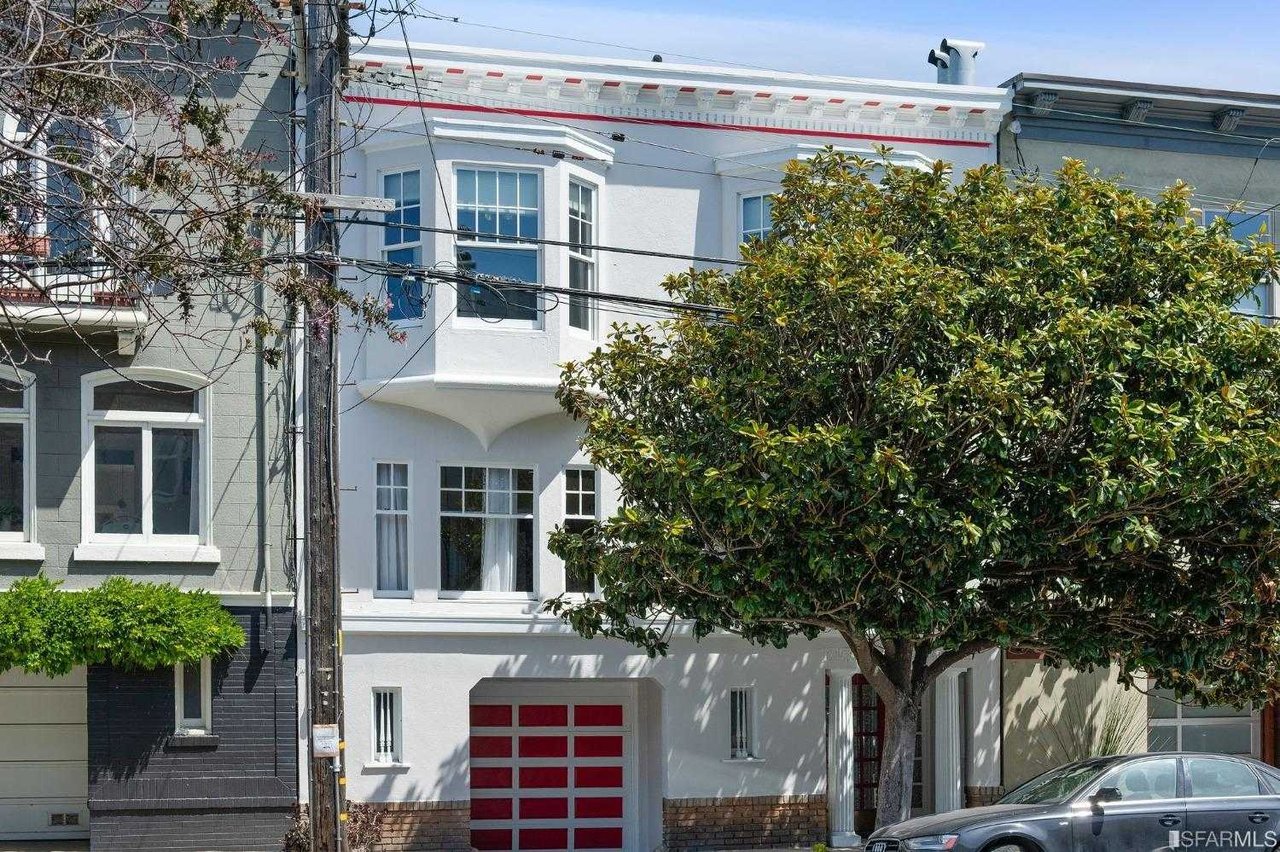
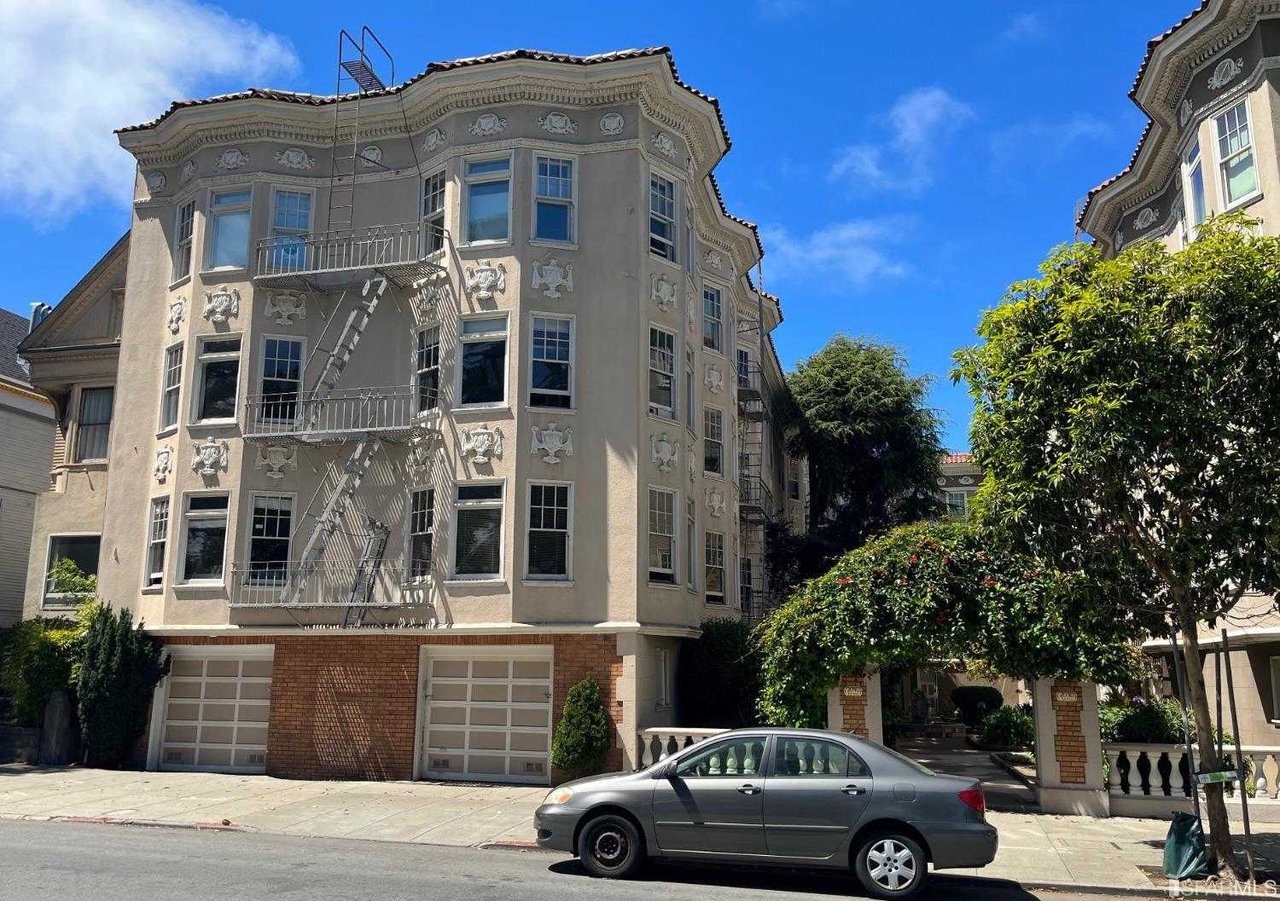
What San Francisco Homeowners Should Know About Sidewalks and Sewer Laterals
Sherri Howe October 29, 2026
Sherri Howe October 29, 2026
Your sewer lateral is the private pipe that carries everything from your sinks, showers, and toilets to the city's sewer main under the street. In San Francisco, the property owner owns the entire lateral, wherever it runs. Most laterals run out the front to the sewer main under the street, but in some scenarios, the sewer lateral may run through the back of the lot, which can make maintenance and repairs more complicated. The SFPUC generally repairs the section between the curb and the main at their own expense once it confirms a problem, but you pay to repair the section between the building and the curb. The sidewalk in front of your home is usually your responsibility to maintain too, and repairs need a permit from San Francisco Public Works.
Most homeowners keep a mental list of things to keep an eye on: the roof, the water heater, that one window that sticks every winter... The pipe running under the front yard and the concrete between your steps and the curb rarely make that list, but no time like the present to fix that. It's much easier to learn where those lines fall now than in the middle of a backup or after a repair notice arrives in the mail.
A sewer lateral is a single pipe with two parts. The SFPUC (Public Utilities Commission) describes it this way:
The upper lateral also includes a vent that rises to the sidewalk, sometimes called a fresh air inlet, and a trap at the bottom of that vent. If you've ever noticed a small metal cover in the sidewalk in front of a San Francisco home, there's a good chance you were looking at part of someone's sewer system.
The SFPUC owns the main. Everything from the building to the main, including the vent and the trap, belongs to the property owner.
Most San Francisco laterals run from the front of the building, under the sidewalk, and out to the main under the street, but not all of them do!
On a hillside, a house whose back sits below the level of the street may have a lateral that runs downhill instead: through the backyard, sometimes through a neighbor's backyard, and into the sewer main on the next street down. Other properties have a lateral that runs behind the house and joins the laterals of neighboring properties in a shared private line before it reaches the main.
A lateral that runs out the back can be much harder to maintain. Repairs may require cooperation and cost sharing with your neighbors, as well as easements that allow work on someone else's property. In order to facilitate planning in circumstances like these, find out now which way your lateral runs and if you share a lateral with adjoining neighbors.
If you’re considering buying a home, this is definitely something your realtors should investigate. We recently discovered that the sewer line for a property our clients were considering actually ran directly under the house around the corner! Our detailed investigation turned it up before we submitted the offer, and we negotiated a new sewer lateral for our client at no cost to them, before they ever moved in.
This is where homeowners most often get the wrong idea, because ownership and repair don't split along the same line. It's tempting to think you own the half near the house and the city owns the half near the street, but that isn't how it works. You own all of it, and what changes at the curb is who usually performs the repair.
Keep that order of operations in mind, and don’t hesitate to call a plumber for their diagnosis when you need to know which side of the curb the problem is on. If your lateral runs out the back or through a shared private line, ask your plumber, and the SFPUC if needed, how that split applies to your property. A title officer may also be able to retrieve any recorded easement agreements for your property that describe a sewer easement agreement.
5 yearsThe SFPUC's recommended maximum time between lateral inspections, even when nothing seems wrong
The SFPUC recommends having a licensed plumber or contractor inspect your lateral at least once every five years, even if nothing seems wrong. A sewage backup inside the property is, of course, a reason to call right away.
Most lateral inspections use a small camera fed through the pipe, so the plumber can see cracks, encroachments from tree roots, sagging sections, or debris without digging anything up. Ask for the video and the written findings, and keep both with your home records. When you sell someday, they may form an important part of the disclosures.
It can be wise to think of the inspection and the repair as separate decisions. A camera can show you where something is wrong, but it doesn't automatically tell you the best fix. If the report recommends major work, it's reasonable to ask what the recommendation is based on, whether there are alternatives, and even consider getting a second opinion.
The pipe itself tells a plumber a lot about what to look for. In San Francisco homes, we most often see:
The camera can show problems such as:
A sewer cleanout is an access point a plumber can use to inspect, clear, or service the pipe. You don't need to know how it's built, but you do want to know where it is, and whether it's reachable - the time to figure this out is not once it’s already become urgent!
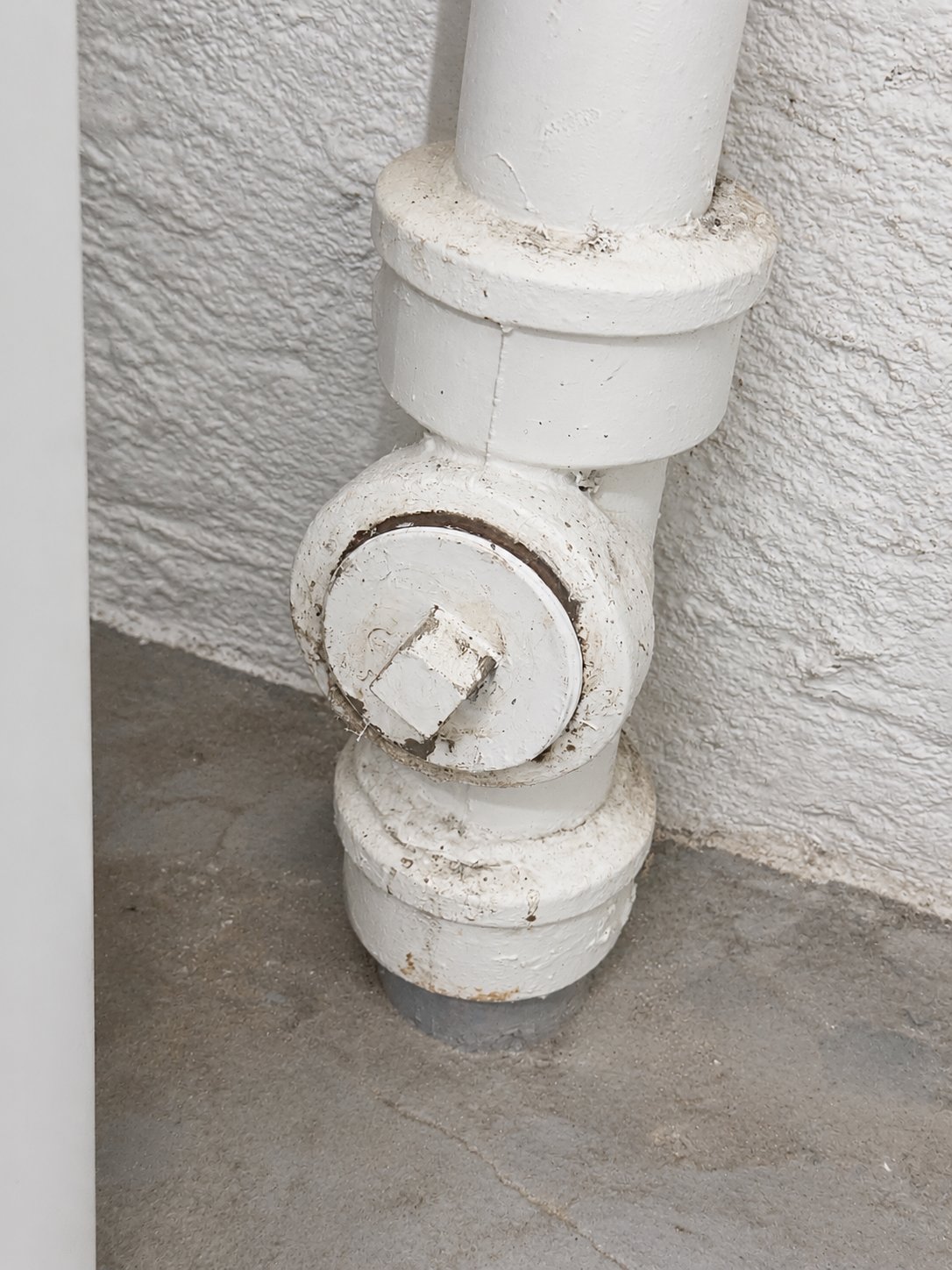
Inside the house, check the basement, garage, or crawl space. A cleanout usually looks like a short fitting on the main drain line with a round, threaded cap or plug, often with a square nub on it for a wrench. It's typically near the point where the drain line leaves the building.
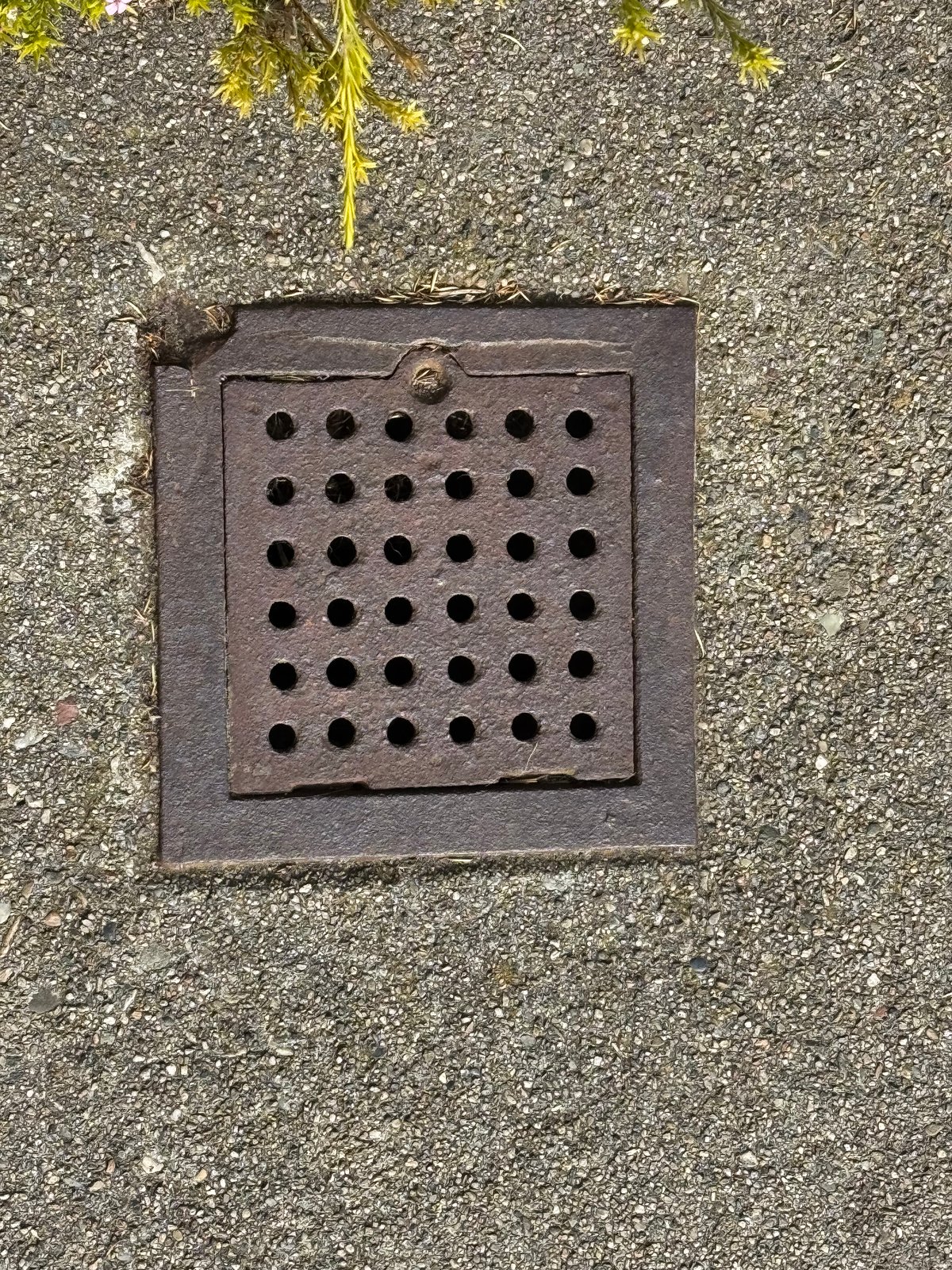
Outside, many San Francisco homes have a small rectangular metal grate set into the sidewalk in front of the property, often with a series of round holes in the grate. Below that grate, you will find the vent and trap described above, and plumbers often use it to reach the lateral, which is why you'll hear it called a sidewalk cleanout or lateral cleanout.
Older San Francisco homes weren't all plumbed the same way, and a century of remodels hasn't made them more consistent. Some have more than one cleanout, some have one that's been buried or painted over, and a cover in the sidewalk may belong to a water meter or another utility rather than your sewer. A plumber can identify the actual configuration and tell you which access point to use.
If you're not sure, ask about it at your next inspection, then make a note of the answer and where to find it.
A gurgling drain or a slow toilet can sound expensive. Sometimes it is, but the SFPUC notes that a backup may only require clearing debris from the pipe, although other problems involve damage that does need repair or replacement.
What happens next depends on two things: what the problem is, and where it is. Roots or a grease buildup call for a different response than a cracked or collapsed pipe. A defect between the house and the curb follows a different process than one past the curb. Get the diagnosis before you get attached to a solution, or to a price.
The SFPUC also points out that what goes down the drain matters. Flush only waste and toilet paper, and keep fats, oils, and grease out of the kitchen sink. Wipes that say "flushable" on the package really aren’t - avoid introducing them to your sewer at all costs.
For the upper lateral, vent, or trap, your plumber or contractor handles the repair. Check with the Department of Building Inspection about whether the work needs a permit before it starts.
For the lower lateral, use the 311 process described above. Keep your plumber's findings handy, because they're what the SFPUC needs to understand the request.
It’s difficult to quote a typical price for sewer line repair, because of the vast range of possible solutions. The cost depends on how deep the pipe is, how much digging is involved, the condition of the pipe, and whether the sidewalk or street has to be opened. Get a written scope and ask what's included.
Keep in mind that, if you're thinking about selling, a known sewer issue is much easier to handle on your own schedule before listing than in the middle of escrow, when a buyer's inspection has just found it for you.
The sidewalk feels like public space. You walk on it, your neighbors walk on it, and so does every dog on the block, at least twice a day. In San Francisco, though, the owner of the property is generally responsible for keeping the adjacent sidewalk in good condition and repairing damage.
Public Works lists the kinds of damage it has in mind, including missing concrete, raised or sunken sections, cracks and holes, and damage around tree basins when the tree isn't a city tree. Missing sewer vent covers are on that list too.
Any sidewalk repair requires a Sidewalk Repair Permit from Public Works, obtained before the work begins. Work beyond the scope of that permit, such as curbs, driveway cuts, or grade changes, has its own requirements and can result in a violation.
The cause of the damage matters. Public Works repairs sidewalks damaged by street trees under its StreetTreeSF program, though it notes a long backlog of locations waiting for repair. Owners can get a permit and hire their own contractor if they'd rather not wait, and Public Works says owners remain liable for injuries or damage in the meantime. Damage tied to a utility's equipment or other special situations may be handled differently as well.
Before you schedule any sidewalk work, find out whose responsibility it is. Public Works can answer that question at (628) 271-2000. (Yes, really, 628 - that’s a newer “overlay” area code introduced to supplement 415 about a decade ago.)
30 daysTime to complete the work from the notice date, under Public Works rules
A Notice to Repair can follow a public complaint or a neighborhood inspection program. You may first notice white dots painted on the sidewalk, marking the defects an inspector found. The official notice arrives by mail and lists the required repairs, the permits needed, and the deadline. Under Public Works rules, the work must be completed within 30 days of the notice date.
You can do the work yourself with the right permit, hire a contractor, or, for notices issued under the city's inspection program, choose the city's contractor option listed on the letter you received. After the work is done, Public Works will inspect it.
When your lateral runs out the front, part of it runs under the sidewalk, and the vent comes up through it. That means a sewer repair can mean cutting into concrete that you'll then need to restore, with permits that may involve more than one City department.
Before you approve underground work, ask the contractor:
You don't need to know the answers in advance, but you do want them in writing before the concrete saw arrives.
Water where it shouldn't be doesn't automatically mean the lateral has failed. Your sewer lateral carries wastewater away from the house, while your water service brings clean water in. They're separate systems with different problems and different specialists.
A water bill that jumps for no obvious reason, or a soggy patch that never dries, can point to a leak in the water supply. The SFPUC's Leak Alert Program watches hourly use from meters that report electronically.
For a single-family home, it sends an alert after 48 hours of continuous use at 7.5 gallons or more per hour. You can also check your hourly use in your SFPUC MyAccount. If it never drops to zero during the day, that’s worth investigating.
Don't open the water meter yourself. The SFPUC offers a free site visit and meter check, and a plumber or leak detection specialist can help locate a suspected leak. For water showing up inside the house, our guide to window condensation and moisture covers how to tell condensation from a leak.
The condition of the lateral and the sidewalk belongs in the same conversation as the roof and the foundation.
Gather any lateral inspection videos, reports, invoices, and permits, along with any sidewalk notices or repair records. If you suspect a problem, finding out early gives you more options. You can repair it, price it in, or disclose it with the documentation to back it up. Any questions about what to disclose belong with your agent or a real estate attorney.
Ask what records exist, and talk with your agent about whether a sewer inspection makes sense for the property. A newer-looking sidewalk or a receipt for past work doesn't tell you the condition of the whole lateral. I'd want to know what was repaired, when, which section of the pipe it covered, and whether it was permitted.
Our role here isn't to diagnose the pipe. It's to help you figure out which questions matter for this property, who should answer them, and where the answers fit in your timeline. For more on planning pre-sale work, see our guide to what San Francisco sellers should fix before listing.
A sewer lateral is easy to forget because it's underground, and the sidewalk is easy to overlook because it doesn't feel like part of the house. Knowing where responsibility begins, whom to call, and what records to keep turns both into ordinary maintenance rather than a surprise. Find the cleanout. Book the camera inspection. Keep the paperwork.
If a sewer, sidewalk, or other property condition question comes up while you're getting a San Francisco home ready for sale, we can help you work it into the larger preparation plan and connect you with the right professional to evaluate it. Get in touch with Team Howe to start that conversation.
It's the private pipe connecting your building's plumbing to the public sewer main. In San Francisco it has an upper section, from the building to the curb, and a lower section, from the curb to the main under the street. Most run out the front of the house, but some run out the back to a main on another street.
Not always. Most do, but on some hillside lots the lateral runs downhill through the backyard, sometimes through a neighbor's property, to the main on the next street. Others join neighboring laterals in a shared private line. A plumber can trace the direction that your lateral goes.
The property owner owns the entire lateral. Owners pay to repair the upper lateral, vent, and trap. If a plumber finds a problem in the lower lateral that maintenance can't fix, the owner reports it through 311, and the SFPUC generally inspects and repairs that section at no additional cost.
At least once every five years, according to the SFPUC, even without problems, and promptly after any sewage backup.
It depends on where the problem is. Repairs between the building and the curb are the owner's cost. Repairs to the lower lateral are generally performed by the SFPUC once its crew confirms the problem.
Often, depending on the problem. Minor root intrusion and grease buildup can usually be cleared with hydrojetting or root cutting, and leaking joints can sometimes be sealed or lined from the inside. A collapsed pipe or a serious sag usually means replacing a section of the line, or all of it.
It's an access point a plumber uses to inspect, clear, or service the sewer pipe. Inside, it's usually a threaded cap or plug on the main drain line near where it leaves the building. Outside, many San Francisco homes have an access box in the sidewalk out front. Have a plumber confirm what you have and where it is.
Usually the owner of the adjacent property, and a Public Works permit is required before any repair. Damage caused by street trees is handled through the City's StreetTreeSF program, and some other situations may be handled differently, so confirm responsibility before scheduling work.
Check your hourly water use in your SFPUC MyAccount, watch for a Leak Alert, and don't open the meter yourself. The SFPUC offers a free site visit, and a plumber or leak detection specialist can help find the source.
Note: This article is general information for San Francisco homeowners based on SFPUC and San Francisco Public Works guidance as of October 2026. It is not plumbing, engineering, or legal advice. Rules, programs, and procedures can change, so confirm the details for your property with the appropriate City department or a licensed professional.

Before real estate, I worked as a financial analyst. After earning a master's degree in software systems engineering, I moved into tech and worked as a programmer, database administrator, quality assurance manager, and business analyst for 13 years. This may explain my fanatical love of spreadsheets. It definitely explains why "the numbers look about right" is not in my vocabulary.
I moved into real estate in 2007 and founded Team Howe so our clients could receive direct agent involvement along with dedicated buyer, listing, marketing, and transaction support. Team Howe affiliated with Compass in 2025.
I live in Forest Hill Extension with my husband, our son, cats Fuz (Lightyear) and Taco (Belle) and dog Peanut (Butter).
Sherri Howe, REALTOR® | CA DRE #01816621
Founder, Team Howe | Compass
Stay up to date on the latest real estate trends.