The Short Answer
San Francisco sellers should first address active damage, systems that do not work properly, unsafe access, and visible maintenance needs likely to undermine buyer confidence. Find the cause before choosing the repair. Staging and cosmetic work have a different job: helping buyers understand the home's layout, light, and condition. The final preparation plan should account for property type, required approvals, budget, permit questions, and the time available before launch.
Pre-sale preparation has a way of starting with one sticky door and ending with someone comparing ten shades of white to put on it. In other words, it can really be quite a process.
Nearly every San Francisco home comes with something that could be repaired, refreshed, replaced, refinished, resealed, or reconsidered, but the mere ability to do the work does not make all of it useful. A seller can complete an impressively long punch list and still spend money on the wrong things.
Every proposed project needs a job: solving a buyer's concern. Repairing an active leak has an obvious job. Improving weak lighting in a narrow room has one, too. Replacing a functional kitchen because one person dislikes the backsplash requires a stronger explanation.
This is where Team Howe begins: with the property, likely buyer pool, expected sale range, time available before launch, and the seller's priorities. Then we build a preparation plan in which every approved item has a reason for being there.
Every pre-listing repair needs to earn its place
Fixing uncertainty puts buyers at ease
Buyers may not love an older kitchen or bathroom, but they can usually understand what they are looking at. An unexplained stain, unreliable heat, or garage door that needs two hands and a motivational speech to open creates a harder question: What else is going on?
The first planning round should focus on conditions that affect normal use or make the scope of a problem difficult to understand:
- Active water or moisture: roof or flashing concerns, recurring window moisture intrusion, plumbing leaks, drainage problems, and damp lower levels.
- Pest findings: active infestation, dry rot, damaged wood framing that may extend beyond what is visible, and recommendations for further investigation.
- Basic systems: heating, plumbing, electrical, and venting concerns that affect normal operation or require specialist review.
- Access and safety: loose railings, damaged steps, unreliable locks, exterior paths, gates, and garage doors.
- Visible deferred maintenance: peeling paint, a loose doorknob, a closet door off its track, broken window hardware, failed light fixtures, and other defects buyers will encounter during a showing.
A symptom does not always identify its own repair. A moisture stain confirms that water was present. It does not reveal the source, whether the condition is active, or what may be happening below the surface.
That is the moment to bring in the appropriate roofer, contractor, engineer, pest inspector, plumber, electrician, or other qualified specialist. Team Howe can help identify the next useful question, coordinate the appropriate vendors, and make sure we have understood a problem as fully as possible before starting a repair.
One important disclosure document, the Transfer Disclosure Statement or TDS, describes the property's condition for prospective buyers.1 Pre-sale inspection reports are also typically shared with buyers as part of the disclosure package. Covering a symptom without investigating it does not make the history disappear. It simply makes the explanation less convincing later.
Some conditions will be too large, uncertain, or time-consuming to correct before listing. The better plan in that case may be to investigate enough to provide useful information, disclose as required, and account for the condition in pricing and negotiation.
San Francisco home staging should clarify the property
Team Howe generally recommends staging a vacant property before it reaches the market. Staging can help buyers understand scale, furniture placement, and how rooms connect. It can also keep an awkward corner from becoming the only thing anyone discusses after the showing.

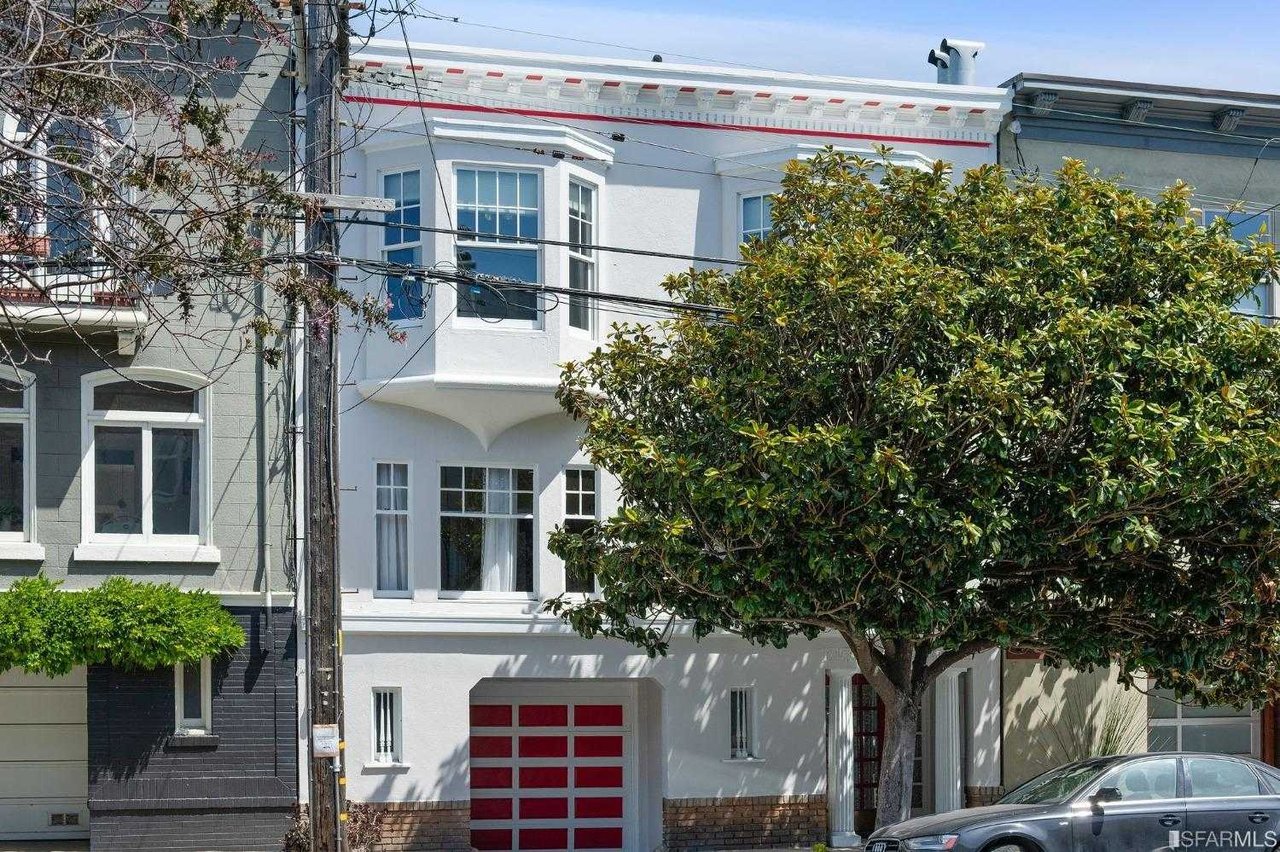
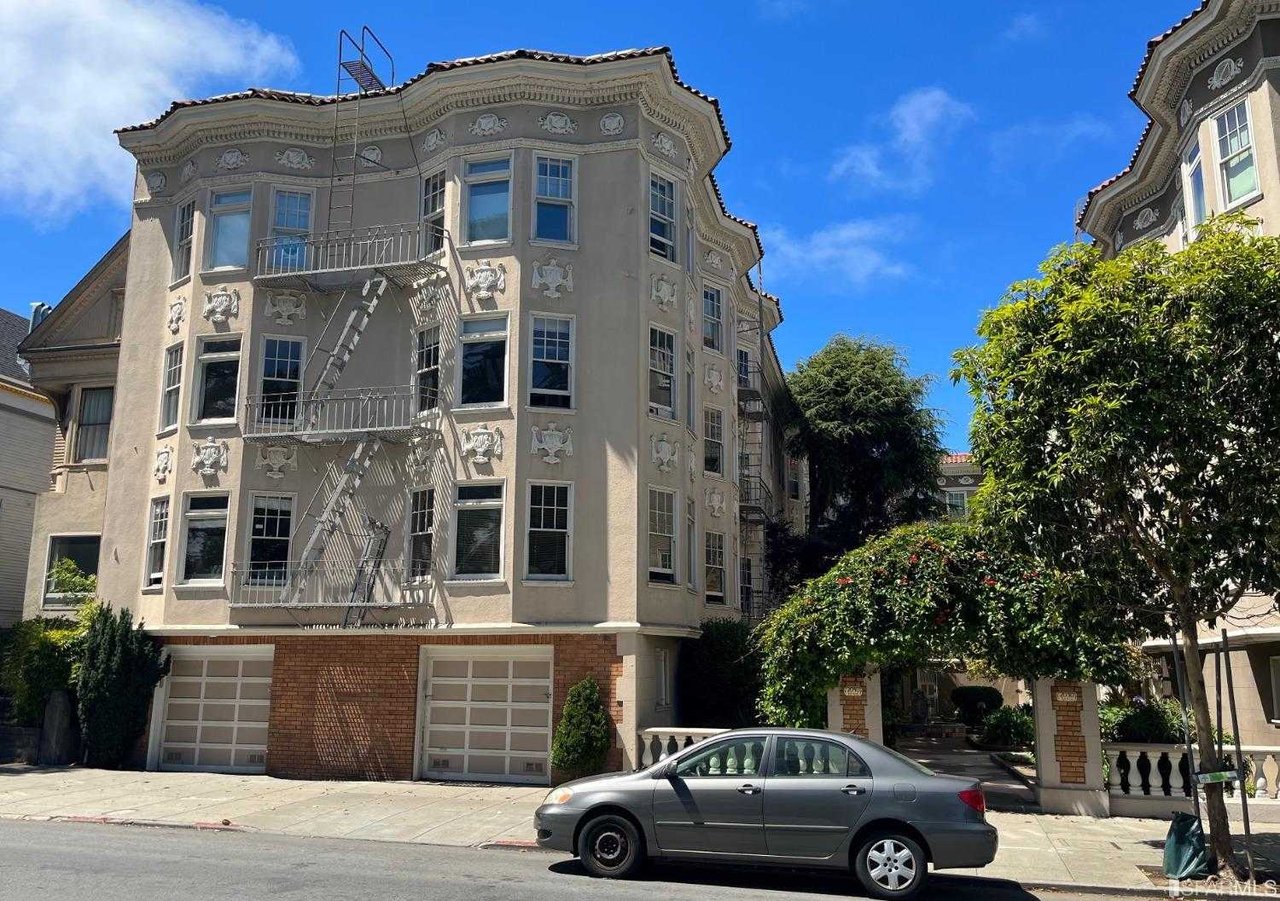
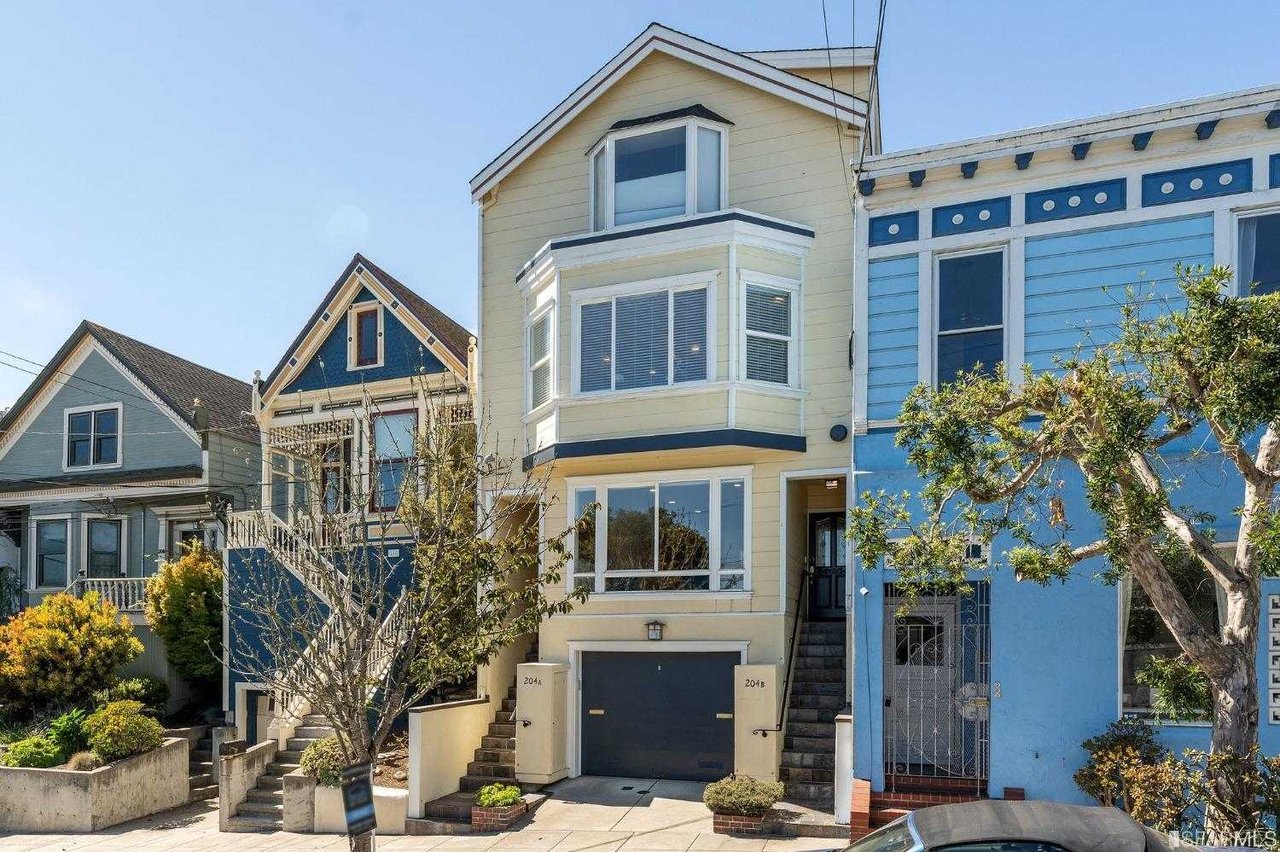
Many older San Francisco homes ask buyers to interpret smaller rooms, limited closet space, formal layouts, and different options for furniture placement than they may see in newer construction. Preparation should help the buyer make that interpretation as favorably as possible without pretending the home is something it is not.
If a living room is not blessed with abundant natural light, there is no need to make things harder with three burned-out bulbs, heavy curtains, and midnight-blue walls. Selective painting, better lighting, floor care, cleaning, and staging can change how clearly buyers see the room while respecting the seller's budget and schedule.
Fresh paint becomes less useful when it covers a condition that still needs investigation. Paint over unresolved moisture just gives an old problem a new outfit. The repair still needs to address the source.
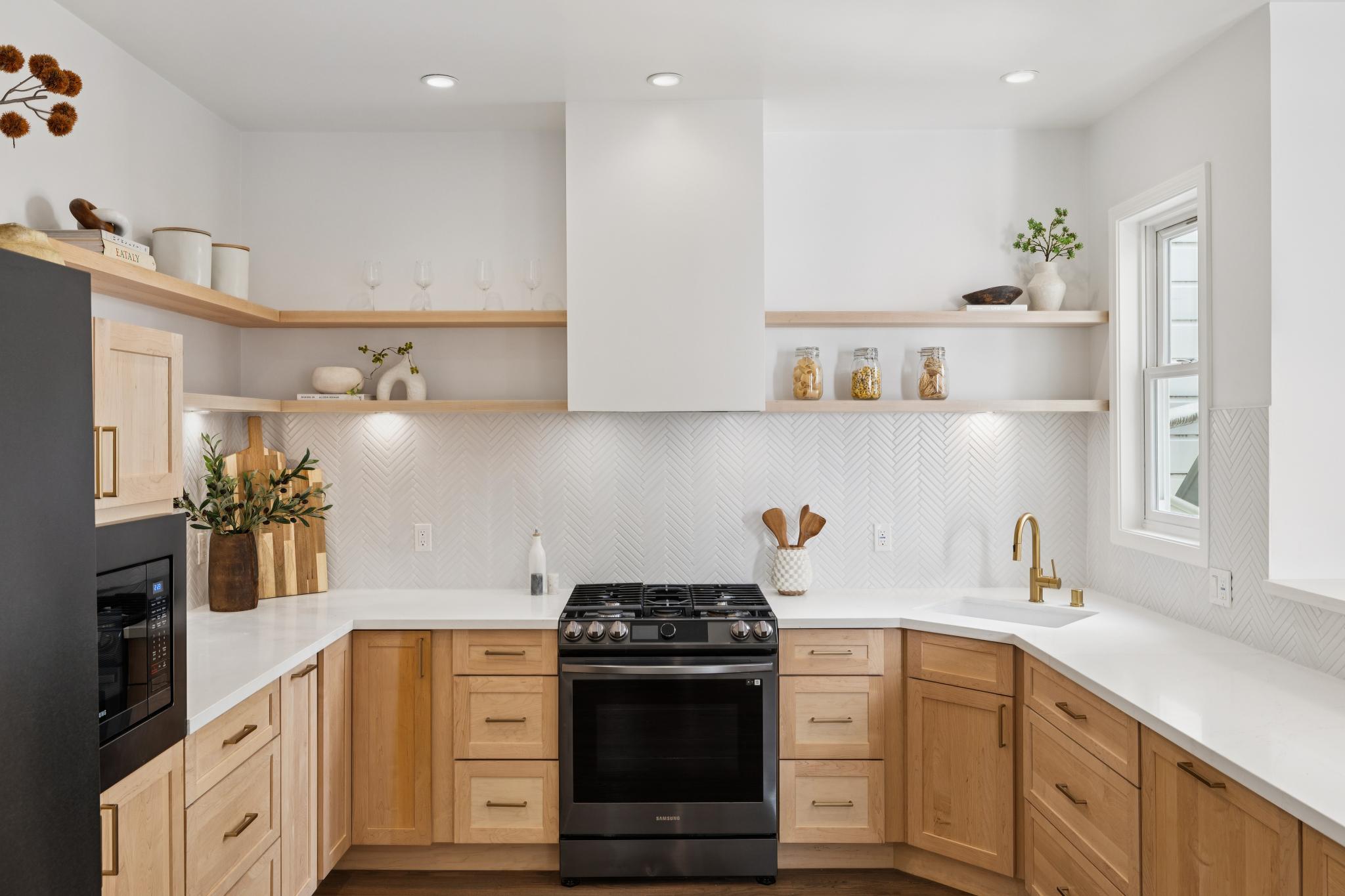
The larger the potential renovation, the more rigorous the cost-benefit conversation should be. Kitchens are especially talented at turning one bright idea into a pile of follow-up projects the seller was not expecting. Cabinets affect counters. Counters affect plumbing. New appliances may introduce electrical questions, and each new question can add time and cost.
Before approving substantial work, Team Howe helps compare the likely effect on buyer response with the cost, schedule, permit path, and possibility that the next owner will choose different finishes anyway. A full remodel can make sense for the right property, but it is not the automatic cost of admission for selling a San Francisco home.
Property type changes the seller preparation process
The value proposition for the same work can be very different depending on what is being sold. Buyers evaluating a single-family home are thinking about different responsibilities from buyers evaluating a condo or TIC, so the preparation process should change, too.
Single-family homes
The seller can usually make more preparation decisions independently, subject to permits and other property-specific requirements. The work may still require coordination among inspectors, contractors, stagers, and the listing schedule, but there is no HOA or group of co-owners approving a shared component.
Condos and TICs
Work inside the unit may still require HOA or co-owner review, particularly when it affects windows, exterior elements, plumbing, electrical service, or another common system. Team Howe can help identify which approvals and documents should be gathered before the seller authorizes the work. Asking for retroactive approval after opening a wall is not the efficient version of this process.
Location can also change which conditions deserve early attention. In foggier western neighborhoods such as the Outer Sunset, Parkside, and Outer Richmond, it can be especially useful to investigate recurring window water intrusion, exterior paint or stucco concerns, and moisture before deciding on cosmetic work. In hilly areas such as Glen Park, Forest Hill, and parts of Noe Valley, drainage, retaining structures, exterior stairs, and foundation history may affect the scope and sequence of preparation.
These are prompts for property-specific investigation, not assumptions about every home in those neighborhoods.
The listing calendar decides which repairs are realistic
Timing is not a final administrative detail. It helps determine which projects make sense in the first place.
A certain repair may be worthwhile with twelve weeks available and a poor choice with only three weeks remaining in the schedule. One permit question can affect a contractor's start date, which can affect staging, inspections, photography, and the planned launch. The work needs a critical path, even if no one uses that phrase outside the spreadsheet.
Permit history belongs near the beginning of the conversation. Lower-level rooms, decks, bathrooms, garage conversions, removed walls, and additions do not always match the available records as neatly as everyone would prefer. The San Francisco Property Information Map is a useful starting point for reviewing available permits, complaints, and property records, but it may not establish the full history or quality of the work.
Do not let inertia create a false sense of security. Work that has remained unapproved for years can still complicate the preparation plan or sale. Before trying to legalize, remove, or rebuild anything, the seller may need guidance from the appropriate contractor, architect, engineer, permit specialist, attorney, or city department.
A repair can be useful and still be the wrong project for the available calendar. Preparation and timing have to support the same launch plan.
A coordinated San Francisco pre-listing process
- Collect the property history. Gather prior inspections, permits, invoices, warranties, HOA or TIC documents, and records relevant to the TDS and Seller Property Questionnaire.
- Inspect before defining the repair. Walk the property for condition and presentation, then choose the general, pest, roof, sewer, structural, or specialist inspections that fit the property.
- Build the scope and budget. Compare estimates, buyer impact, permit or approval requirements, and the risk that further investigation could expand the work.
- Map the dependencies. Determine which projects must happen first and when cleaning, staging, inspections, disclosures, photography, and marketing can begin.
- Manage toward one launch date. Track vendor work, approvals, decisions, and delays so the preparation and pricing strategies still support each other when the home reaches the market.
The Team Howe selling process includes evaluating how preparation may affect the expected sale range, gathering vendor estimates, coordinating inspections and approved work, organizing disclosures, and managing the launch calendar. We can do our best work most easily for everyone when we are consulted before the seller has hired a contractor or developed strong feelings about cabinet hardware.
Funding is part of the plan, too. Eligible sellers may apply for Compass Concierge financing for qualifying preparation expenses, with repayment usually deferred until closing.2 Team Howe can help the seller evaluate which work belongs in the strategy and coordinate the approved project, while the financing decision remains subject to the program's eligibility and loan requirements.
The goal is not the longest repair list. It is a deliberate plan that improves how buyers understand the property, uses the seller's money thoughtfully, and reaches the market on schedule.
Seller Preparation FAQ
Questions San Francisco sellers ask before authorizing work
What repairs should San Francisco sellers prioritize before listing?
Should sellers complete every item in a pest report?
Should a seller renovate the kitchen before listing?
Do pre-listing inspections make sense in San Francisco?
Should unpermitted work be corrected before the property is listed?

About Me and Team Howe
About Me and Team Howe
A Former Techie Who Still Loves Systems
Before real estate, I worked as a financial analyst. After earning a master's degree in software systems engineering, I moved into tech and worked as a programmer, database administrator, quality assurance manager, and business analyst for 13 years. This may explain my fanatical love of spreadsheets. It definitely explains why "the numbers look about right" is not in my vocabulary.
I moved into real estate in 2007 and founded Team Howe so our clients could receive direct agent involvement along with dedicated buyer, listing, marketing, and transaction support. Team Howe affiliated with Compass in 2025.
I live in Forest Hill Extension with my husband, our son, cats Fuz (Lightyear) and Taco (Belle) and dog Peanut (Butter).
Founder, Team Howe | Compass