The Short Answer
A useful San Francisco power outage plan starts with figuring out how to go without the parts of your home that depend on electricity before you're forced to. That may include an elevator, intercom, garage door, refrigerator, medical equipment, or the lights along a dark interior stairway. Tailoring a plan to your household takes a little work, but it beats trying to figure out the garage release in the dark.
If you had to, you could probably make a list of the things in your home that depend on electricity. The refrigerator hums. The garage door lifts. The callbox lets people in. The phone charges overnight - as long as you remember to plug it in before dripping off.
When the power goes out, the house will read its own version of this list aloud to you. Don’t let it catch you by surprise.
Picture this. The flashlight is in a drawer you last opened in 2022. The electrical panel has a breaker labeled “misc.,” which is less an explanation and more a tiny dare. The garage door has an emergency release that no one has ever introduced themselves to. And so it goes! These are all problems, but you won’t need a bunker or wilderness survival skills to deal with them - just a small investment of time while the lights are still on.
When you lose power, it's go time
Different San Francisco homes can lose the same utility service and run into different problems.
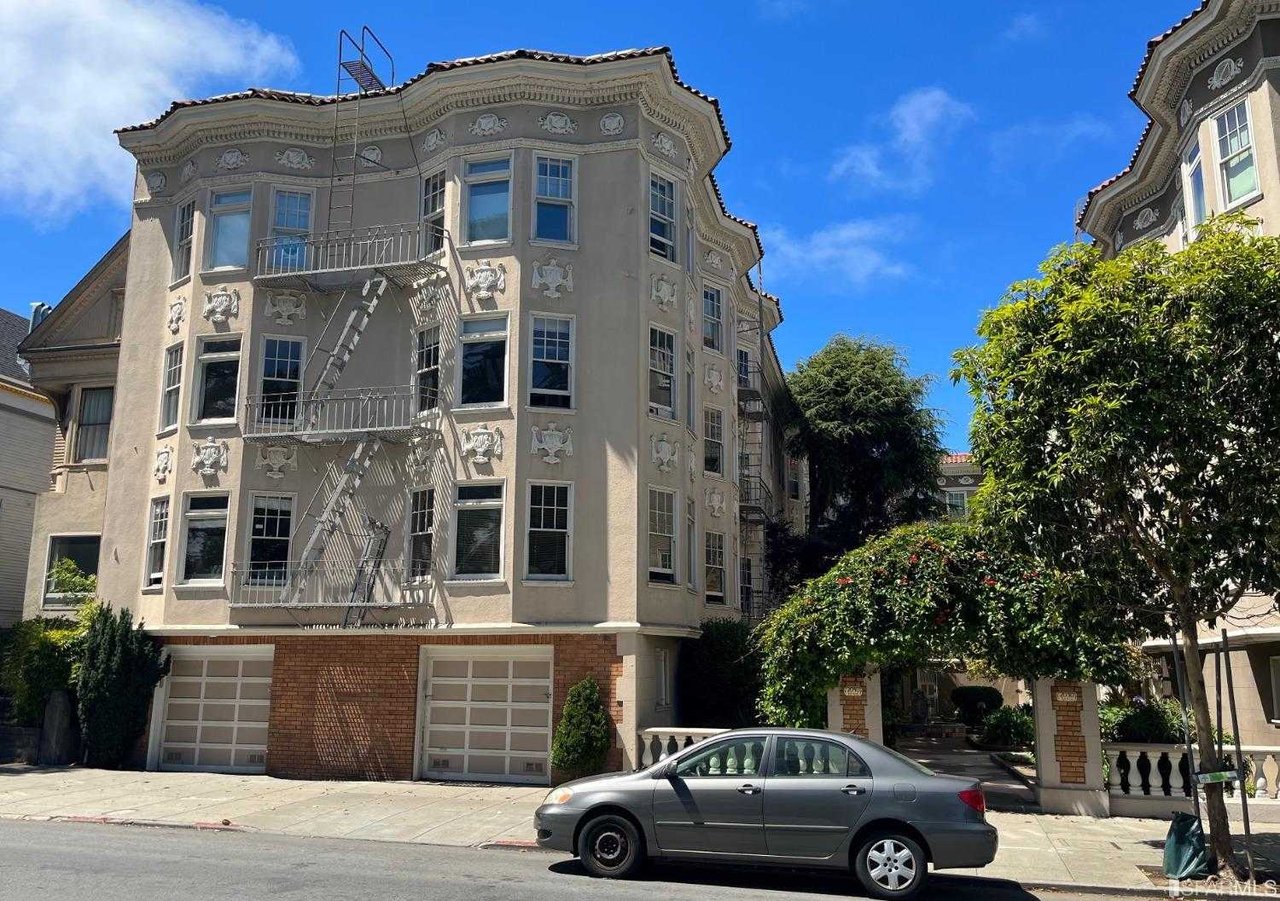
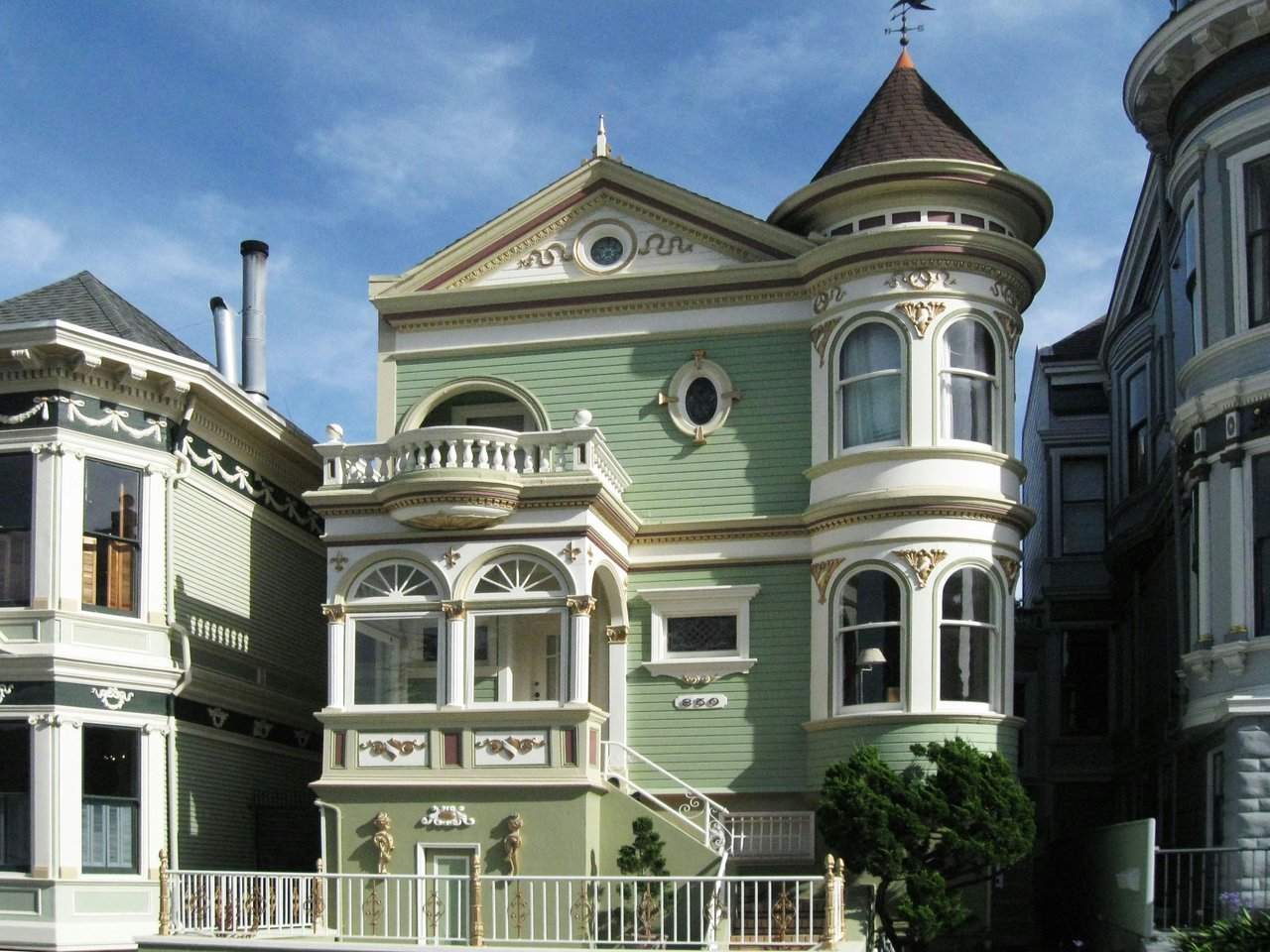
In a condo building, one immediate issue might be the elevator, secured entry, shared garage, or common-area lighting. In a Victorian divided into flats, it may be interior stairs leading to an electrical panel in a pitch-black garage. A home above Elk Street in Glen Park may have simple building access but require a steep trip for supplies. An Inner Sunset flat may depend on a callbox, a narrow stair, and a garage door that's a lot heavier than you imagined when you have to lift it by hand.
A generic emergency checklist does not know that the car is behind a shared gate, that your new medicine needs to stay cold, or that the elevator is central to someone getting home. The most useful plan takes all these dependencies into account.
First, find out who else is in the dark
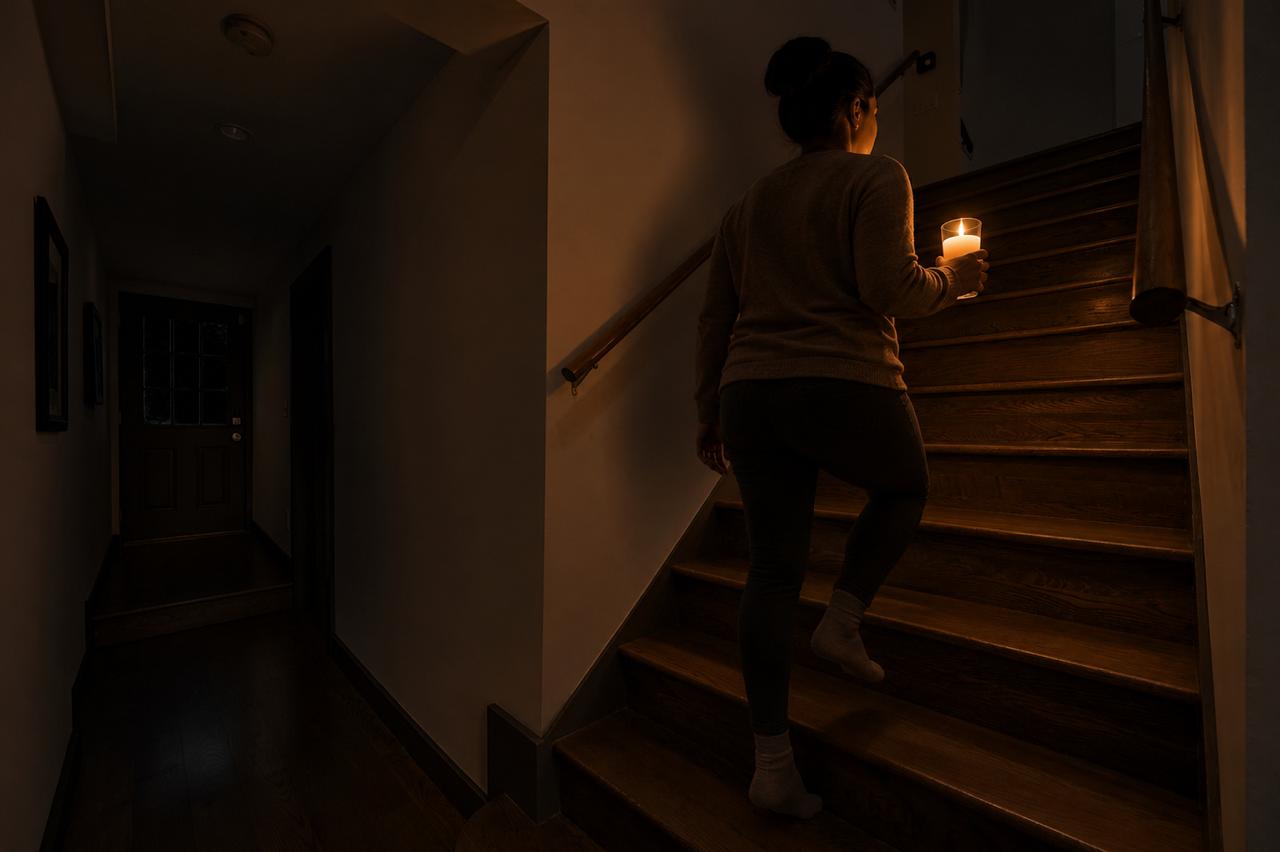
Keep a flashlight or lantern in a designated, easy-to-reach place, and make sure everyone in the home knows where it is. The back of a miscellaneous drawer is less helpful once the room is dark. When the power goes out, use the light, put on shoes, and determine whether the outage affects the unit, the building, or the surrounding block.
- Look for streetlights, neighboring buildings, and common-area lighting.
- If the problem appears limited to your home, check the circuit breaker or fuse box only if it is safe to reach and you know how to inspect it.
- Ask a neighbor in a multi-unit property if they still have power, or contact building management if necessary.
- Search the address in the PG&E Outage Center.
- Report the outage if PG&E does not already show it.
PG&E says its outage map normally updates every five minutes and may take up to 30 minutes during widespread outages. Its 24-hour outage information line is 1-800-743-5002.
Unplug sensitive electronics that do not need to remain connected to reduce the risk of damage from a power surge when electricity returns. Leave one visible light switched on so you know when service has been restored. If you see a downed power line, stay away from it and anything touching it. PG&E directs people to call 911 first, then PG&E at 1-800-743-5000.
Your refrigerator has one request:
Keep the door closed!
FoodSafety.gov says a closed refrigerator generally keeps food safe for up to four hours. A full freezer can hold a safe temperature for approximately 48 hours, while a half-full freezer can do so for approximately 24 hours. If your freezer has empty space, freeze gel packs or containers of water in advance. They help keep food cold more efficiently at all times, and can be moved to the refrigerator or a cooler if needed after the power goes out.
But that timeline works only if the refrigerator is allowed to do its job. Opening the door every few minutes to see if your yogurt’s still cool just lets cold air escape. The refrigerator does not need encouragement. It needs privacy.
Keep appliance thermometers in the refrigerator and freezer. Have a cooler and frozen gel packs available. If the outage persists, use enough ice to hold food at 40°F or below. Discard refrigerated perishable food after four hours without power, and never taste food to determine whether it is safe. FoodSafety.gov provides item-specific guidance for deciding what can stay and what should go.
Anyone who relies on refrigerated medication should establish a separate plan with the physician, pharmacist, or medication manufacturer. An ordinary cooler may not maintain the correct conditions, and guesswork is not safe.
Build a kit that can survive household entropy
A useful outage kit does not need to be elaborate. It does need to be easy findable. If your home is like ours, that rules out a few places!
You should include:
- Flashlights or lanterns with the correct batteries
- Charged phone power banks and cables
- Drinking water and food that does not require cooking
- First-aid supplies and necessary medications
- Refrigerator and freezer thermometers
- A cooler (and don’t forget those gel packs or water bottles in the freezer)
- Printed emergency, HOA, and building-management contacts
- A manual can opener and household-specific supplies
Store the kit in a predictable location and test it periodically. “Somewhere in the hall closet” is just the beginning of a search party - be specific! And remember, a power bank at 3% is just a sleek paperweight. Put a recurring reminder on your calendar to charge it, then recharge it after use.
The American Red Cross power outage guide also recommends planning for communication, medical devices, refrigerated medicine, locks, garage doors, and elevators.
Your front door has entered offline mode
Before an outage, answer the access questions that apply to your property:
- How does the garage door or motorized gate open manually?
- Can the door be lifted safely without assistance?
- Does the callbox, intercom, or smart lock have battery backup?
- What is the building procedure when the elevator is unavailable?
- Where are the emergency stairs and common-area lights?
- Who handles after-hours building issues?
Keep those instructions and contact details somewhere available without Wi-Fi or a fully charged phone. Yes, maybe paper. Don’t be afraid - it won’t bite! Condo owners should obtain the building’s approved procedure rather than experimenting with shared equipment in the dark. A blackout is a poor time to compare six different theories with six different neighbors about the garage gate. Test that manual release in advance while following the manufacturer’s instructions.
Check on household members and neighbors who may need practical assistance. Even a brief outage can create lingering problems with elevator or garage access, especially in a vertical building or hillside location.
Buy backup power for a job, not a fantasy
A phone power bank, portable power station, and permanently installed home battery solve different problems. Research carefully - don’t just pick something that looks great in a catalog. You’ll want to make sure it will really work for your home.
Start with the devices or circuits that must remain available and the amount of time they need support. Powered medical equipment requires a plan developed with the equipment provider and medical professionals. We recommend having any permanent household system evaluated by a licensed electrical contractor, who can advise on installation best practices, current city requirements, and any HOA rules that apply.
Fuel-burning generators create carbon monoxide and require strict safety precautions. The Red Cross warns never to operate a generator, grill, camp stove, or similar fuel-burning device inside a home, garage, basement, crawlspace, or partially enclosed area. Dense lots, shared yards, light wells, and nearby windows can make suitable placement difficult in San Francisco, so don’t take for granted that a generator will be feasible.
Give Future You the one-page cheat sheet
A one-page outage plan can be wonderfully uninteresting. That is the goal. Remaining functional during an outage should feel boring.
Record:
- Where the flashlights, batteries, and charged power banks are stored
- How to check and report an outage
- Which food, medication, or equipment requires special handling
- How to enter and leave the property without powered systems
- Which household, building, and emergency contacts are available offline
Review the plan after a move, remodel, electrical upgrade, new medical need, or change in building management. Walk through the garage release and emergency stairs before you need to use them in a hurry. Replace expired supplies and test the equipment.
The house will still read that list when the power goes out. Future You will simply have the answer key, a charged phone, and an understanding of what that “misc.” breaker will do!
Power Outage FAQ
Frequently asked questions about San Francisco power outages
What if the PG&E Outage Center does not show my outage?
Should homeowners use candles during a power outage?
Is a portable power station the same as a generator?
What should condo owners confirm before an outage?
What if someone relies on powered medical equipment or refrigerated medication?

About Me and Team Howe
About Me and Team Howe
A Former Techie Who Still Loves Systems
Before real estate, I worked as a financial analyst. After earning a master's degree in software systems engineering, I moved into tech and worked as a programmer, database administrator, quality assurance manager, and business analyst for 13 years. This may explain my fanatical love of spreadsheets. It definitely explains why "the numbers look about right" is not in my vocabulary.
I moved into real estate in 2007 and founded Team Howe so our clients could receive direct agent involvement along with dedicated buyer, listing, marketing, and transaction support. Team Howe affiliated with Compass in 2025.
I live in Forest Hill Extension with my husband, our son, cats Fuz (Lightyear) and Taco (Belle) and dog Peanut (Butter).
Founder, Team Howe | Compass