Read the immediate setting
Deck and view claims require inspection from the actual room and orientation.

San Francisco Neighborhood Guide · SFAR 5D
Twin Peaks is a major fog boundary and wind accelerator.
Neighborhood Overview
Central San Francisco compresses hills, village-scale corridors, older housing and major transit routes into a small area. The difference between a valley floor, a ridge, a rail street and a quiet side block can appear within a short walk. Exterior exposure, retaining systems, drainage, garage slope, and heating comfort are practical diligence categories.
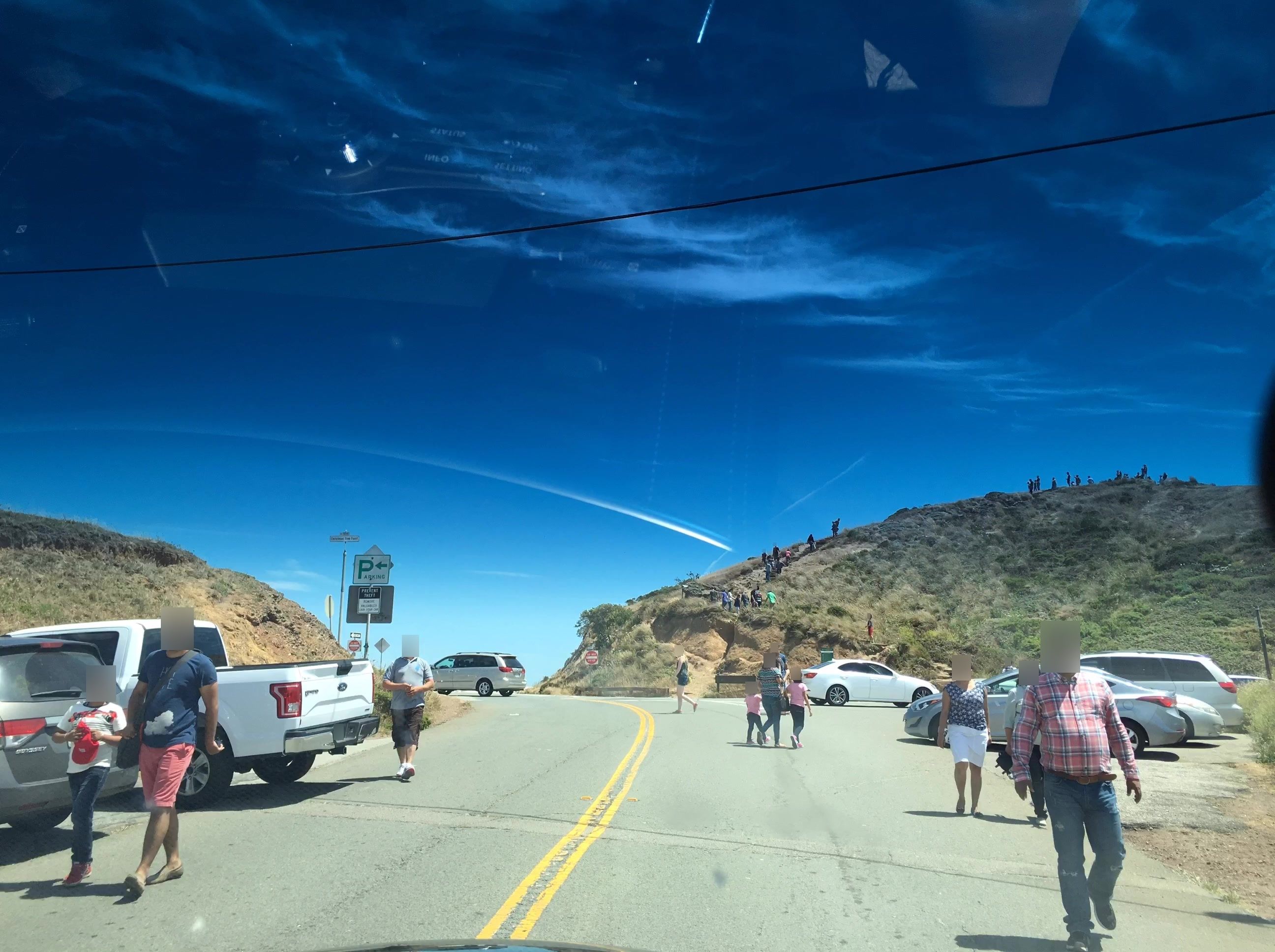
If you are comparing homes in Twin Peaks, follow the route you would actually use from the front door. Start around Twin Peaks, continue toward Christmas Tree Point, and notice what changes before reaching Portola Drive. That walk reveals the crossings, grade, frontage and street activity that a neighborhood name cannot.
The housing is not interchangeable from one block or building to the next. The useful comparison begins with property type and legal configuration, then narrows by condition and exact location.
Deck and view claims require inspection from the actual room and orientation.
Curving roads, switchbacks, stairs, and limited direct routes matter for daily access.
Victorian/Edwardian fabric, hillside cottages, apartment buildings, postwar houses, and modern infill coexist.
Grade, access and the way the home meets the hill.

History & Built Identity
The central hills and valleys developed in different waves around streetcar routes, older village streets and land that resisted a simple grid. That layered growth is still visible in the mix of cottages, flats, larger houses, apartments and later infill. Small hills and corridors create abrupt transitions. The Castro, Noe Valley, Mission Dolores, Cole Valley, Haight, Glen Park, and Twin Peaks cannot be summarized by central location.
That development pattern gives the history practical weight. A structure’s age, original form and later alterations can all affect the documents and comparisons that matter today.
The history matters because it is still present in the street pattern, the relationship between buildings and lots, and the route between residential blocks and Twin Peaks. It does not make every property identical. Later alterations, legal use and present condition still have to be established from the records and the home itself.
Team Howe's Take
Twin Peaks can change character within a few blocks because the hills and corridors sit so close together. Walk from Twin Peaks toward Portola Drive, then come back by the Market Street approach; the return trip usually explains the map.
Stairs, garage access, retaining walls, and rooms down often matter more than nominal distance. That is the kind of property-specific question that helps a buyer test the fit and helps a seller describe the home without leaning on broad neighborhood shorthand.
Team Howe Picks
The streets between these stops are part of the tour. Notice how the route, grade and surrounding buildings change along the way.
Neighborhood route · 01
Begin where the neighborhood’s daily rhythm is easiest to read. Walk one or two surrounding blocks, then notice how quickly the commercial or public-facing street gives way to the residential fabric.
Neighborhood route · 02
Use the second stop to compare the route with the first. Grade, crossings, traffic and building scale can change within a short distance, and those changes matter more when the walk is part of a weekly routine.

Neighborhood route · 03
The final block is the useful part of this stop. Confirm the entrance, stairs, gate, platform or crossing that you would actually use rather than relying on straight-line distance.
Neighborhood route · 04
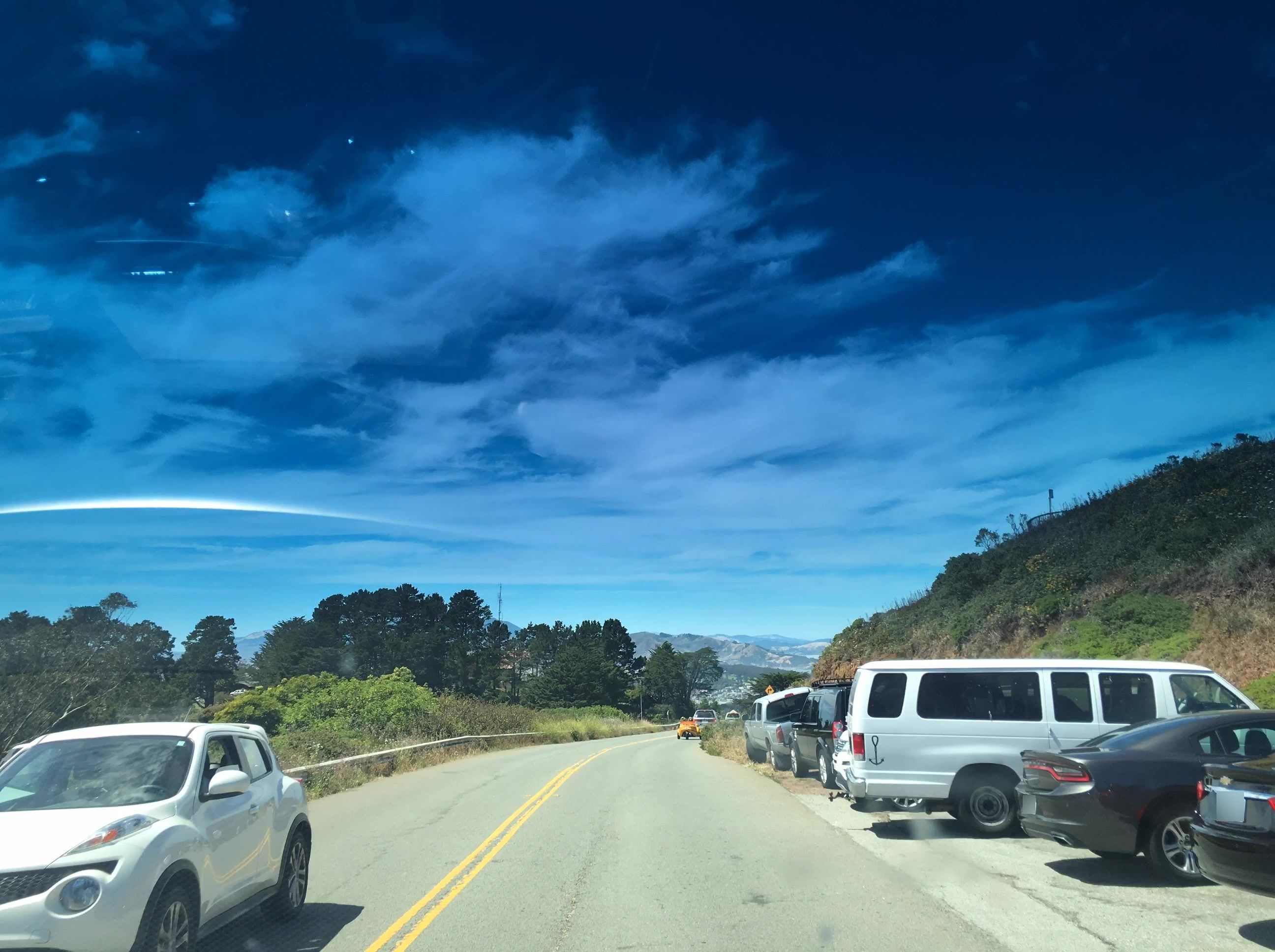
A different route back shows another side of Twin Peaks. Visit at the time you would normally travel so the current service, street activity and property exposure are easy to judge for yourself.
Twin Peaks Real Estate
The neighborhood label starts the search. The individual property, its records and its exact setting carry the decision.
Walk the ordinary route between Twin Peaks and Portola Drive at the time you would normally use it. Then evaluate the home’s light, access, floor plan and documented use. A feature becomes valuable when it works for the way you expect to live.
For this part of Twin Peaks, the property-specific review should focus on grade, access and the way the home meets the hill. Read the disclosures, permits, title information and any HOA or building documents that apply. Inspectors and other qualified professionals should answer questions that the records cannot settle.
A strong presentation connects the home to its actual setting near Twin Peaks or the Market Street approach and describes the floor plan, parking, storage, improvements and legal configuration accurately. Clear records help buyers understand what they are seeing.
Begin inside SFAR 5D, but do not stop with the code. Compare the same property type and account for condition, orientation, access and the nearby alternatives buyers can see at the same time.
Around Twin Peaks
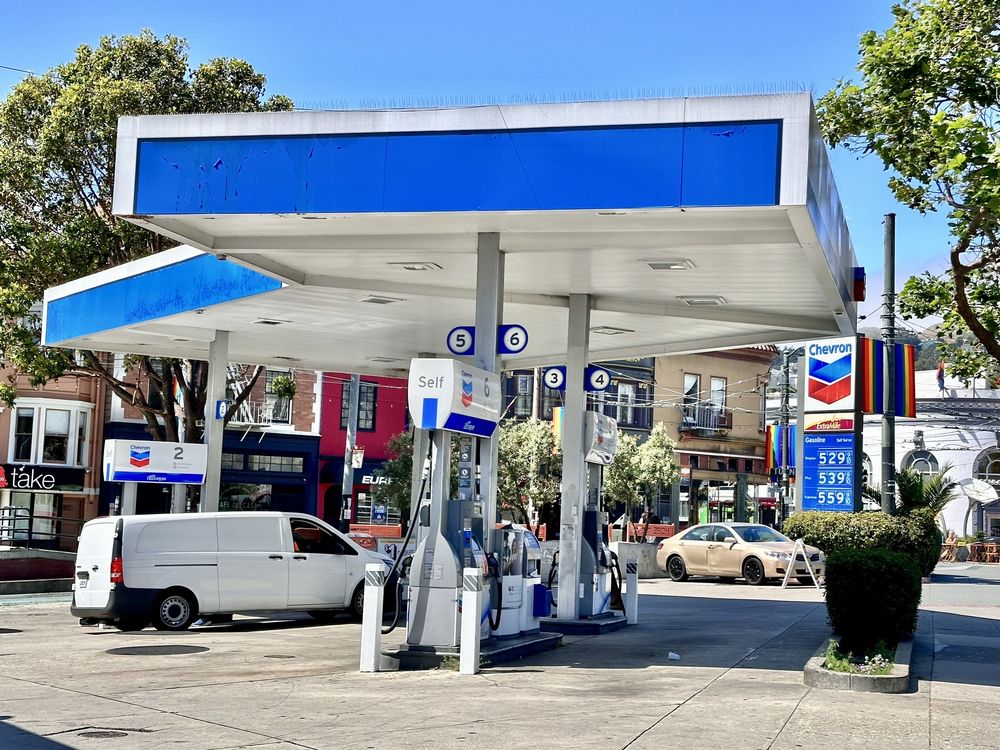
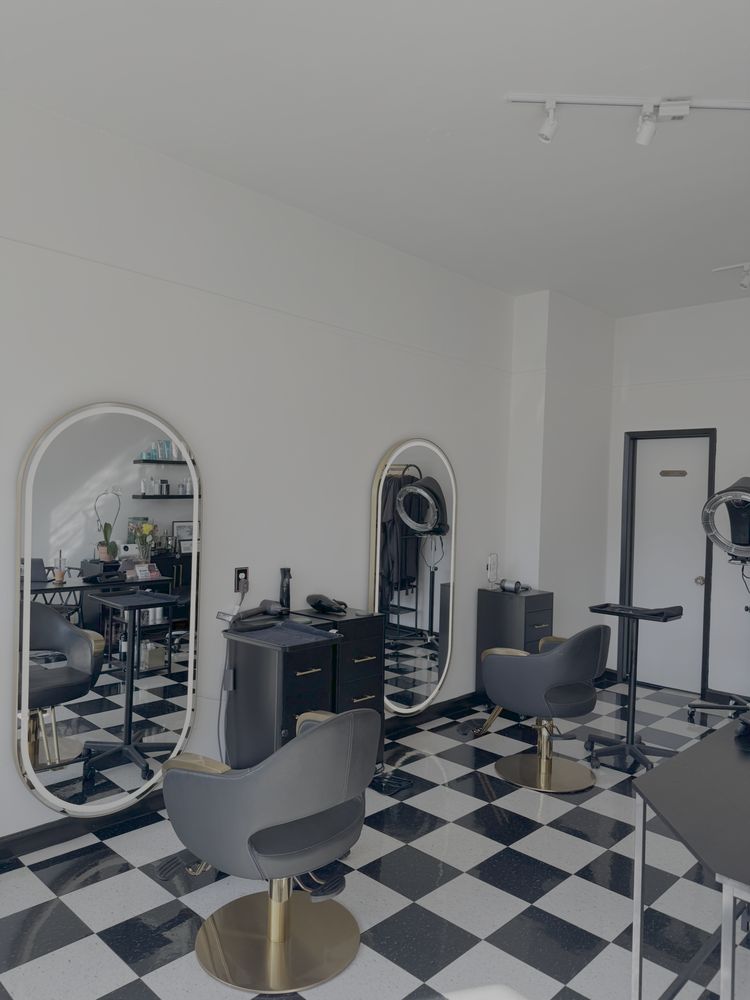
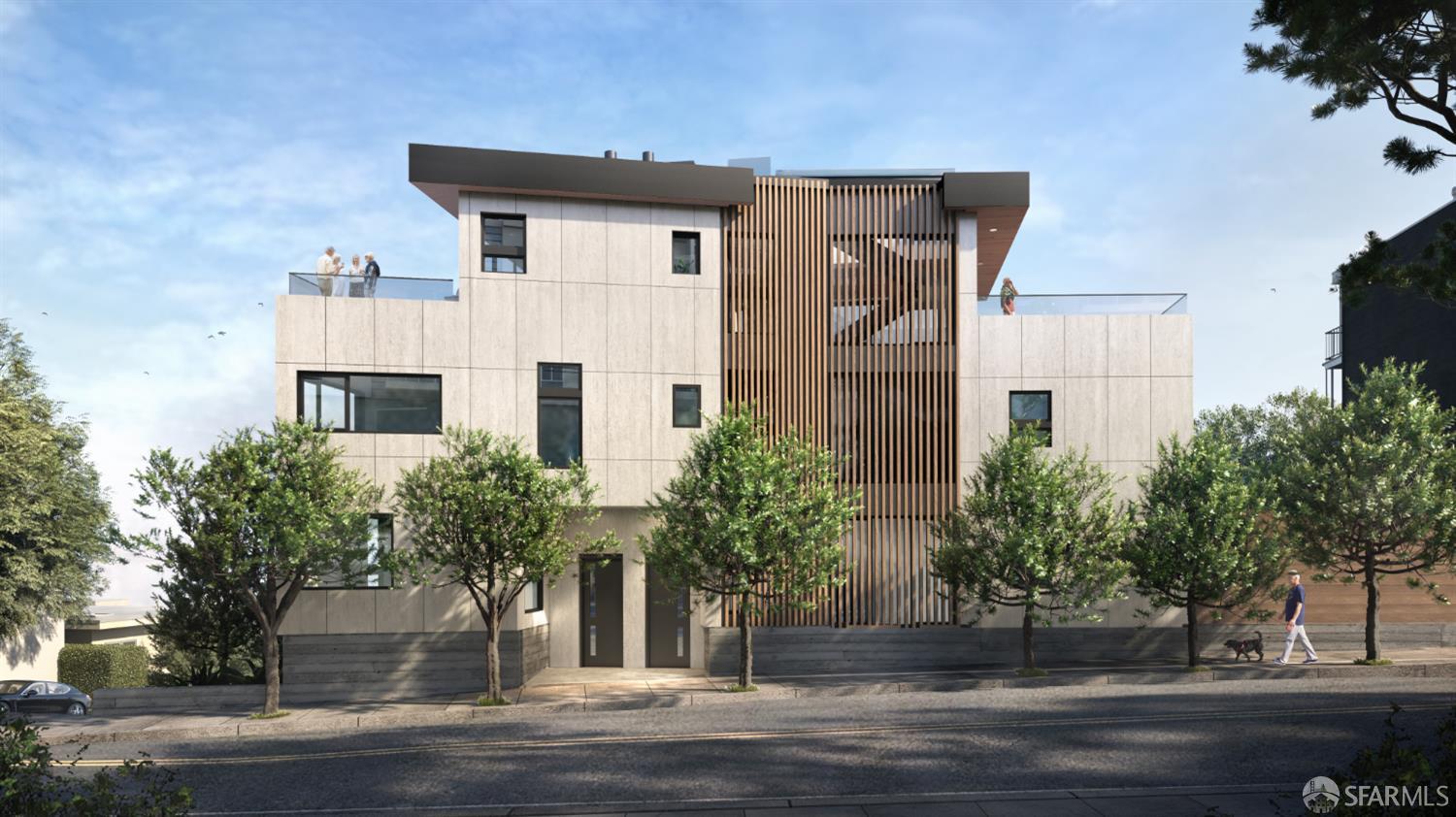
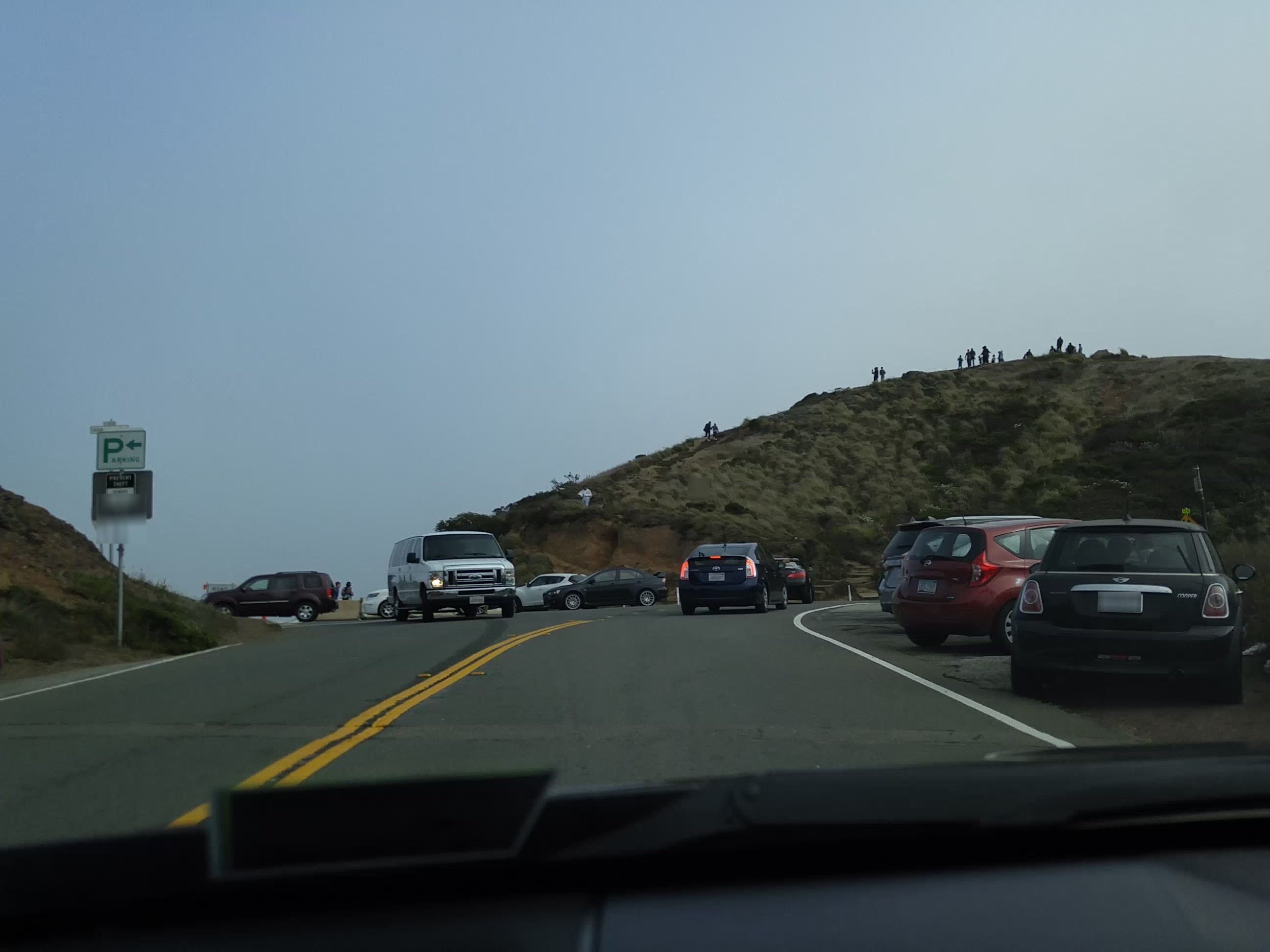
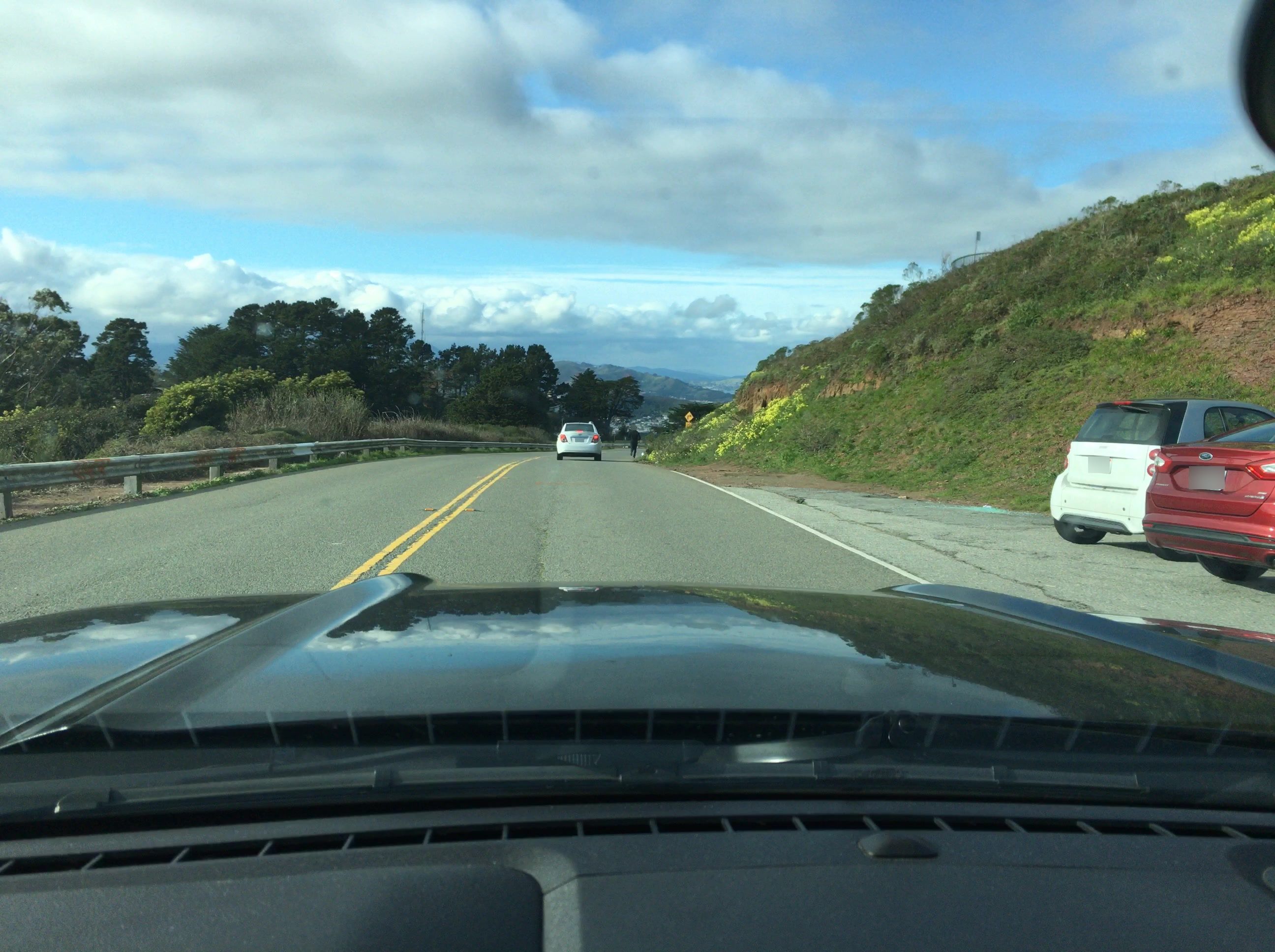
The neighborhood is best photographed as a sequence: the activity around Twin Peaks, the residential transition near Christmas Tree Point, and the larger setting or public space around Portola Drive. Together those views show how the daily route and the housing fit one another.
Map & Transportation
The useful transportation question starts with a destination and an ordinary travel time. From Twin Peaks, trace the trip toward Portola Drive and pay attention to the final stop, station entrance, crossing or hill. Check current agency information before relying on a route.
Driving deserves the same test. One-way streets, hills, freeway approaches, event circulation and large park or institutional edges can make the practical route different from the shortest route on a map.
Points of Interest & Commute
The live Compass scores and nearby-business feed provide a quick orientation to Twin Peaks. Read them alongside the exact route from the home, especially the final crossing, hill, station entrance or park gate that would become part of the routine.
Properties in the Area
Listings grouped under Twin Peaks do not automatically belong in one comparison set. Review current availability with recent sales that match the property type, legal structure, condition, building or lot, and exact location.
Neighborhood Overview
The neighborhood data below provides broad context. It is most useful alongside a visit to the block and a property-specific review.
Nearby Schools
The live school feed is a useful starting point for properties in Twin Peaks. Public-school assignment and enrollment rules are address- and year-specific, so confirm the current process directly with SFUSD before making a housing decision.
Twin Peaks FAQ
No. SFAR 5D is a useful search boundary, but routes, building types, topography and adjacent corridors can divide the practical comparison set. The address and property type should decide which nearby sales deserve the most weight.
Start with the route between the home and Twin Peaks or Portola Drive. Then review the property’s access, floor plan, parking or building operations, and confirm the legal configuration through the available records.
Focus on grade, access and the way the home meets the hill. Resolve the question at the property through disclosures, permits, title or HOA documents, and the appropriate inspections.
Use them as destinations for a real route test. Check the entrance, crossing, grade and current schedule. Proximity is useful only when the trip works for the person making it.
Emphasize the home’s verifiable relationship to Twin Peaks, Portola Drive and the surrounding residential blocks. Explain the floor plan, improvements, parking, storage and records clearly, then price against properties that attract a comparable buyer pool.
San Francisco Real Estate
Sherri Howe, REALTOR® | CA DRE #01816621
Founder, Team Howe | Compass
Team Howe helps San Francisco buyers compare neighborhoods, blocks and properties without asking a map label to make the decision for them. For sellers in Twin Peaks, the work begins with the home’s condition, records, exact setting and likely competition.
There's plenty to do around Twin Peaks, including shopping, dining, nightlife, parks, and more. Data provided by Walk Score and Yelp.
Explore popular things to do in the area, including Reliance Market, Castro Gas and Food Mart, and Chevron.
| Name | Category | Distance | Reviews |
Ratings by
Yelp
|
|---|---|---|---|---|
| Dining · $$$ | 0.66 miles | 10 reviews | 3/5 stars | |
| Dining | 0.85 miles | 23 reviews | 2.8/5 stars | |
| Dining · $ | 0.87 miles | 70 reviews | 2.6/5 stars | |
| Shopping | 0.48 miles | 0 reviews | 0/5 stars | |
| Active | 0.13 miles | 1 review | 5/5 stars | |
| Active | 0.45 miles | 0 reviews | 0/5 stars | |
| Active | 0.68 miles | 27 reviews | 3.8/5 stars | |
| Active | 0.7 miles | 1 review | 4/5 stars | |
| Active | 0.7 miles | 6 reviews | 5/5 stars | |
| Active | 0.75 miles | 30 reviews | 5/5 stars | |
| Active | 0.82 miles | 24 reviews | 5/5 stars | |
| Active | 0.86 miles | 0 reviews | 0/5 stars | |
| Nightlife | 0.71 miles | 0 reviews | 0/5 stars | |
| Beauty | 0.33 miles | 0 reviews | 0/5 stars | |
| Beauty | 0.55 miles | 0 reviews | 0/5 stars | |
| Beauty | 0.57 miles | 29 reviews | 5/5 stars | |
| Beauty | 0.61 miles | 9 reviews | 5/5 stars | |
| Beauty | 0.64 miles | 0 reviews | 0/5 stars | |
| Beauty | 0.71 miles | 2 reviews | 5/5 stars | |
| Beauty | 0.72 miles | 65 reviews | 4.7/5 stars | |
| Beauty | 0.79 miles | 1 review | 5/5 stars | |
| Beauty | 0.81 miles | 1 review | 5/5 stars | |
| Beauty | 0.83 miles | 9 reviews | 5/5 stars | |
|
|
||||
|
|
||||
|
|
||||
|
|
||||
|
|
||||
|
|